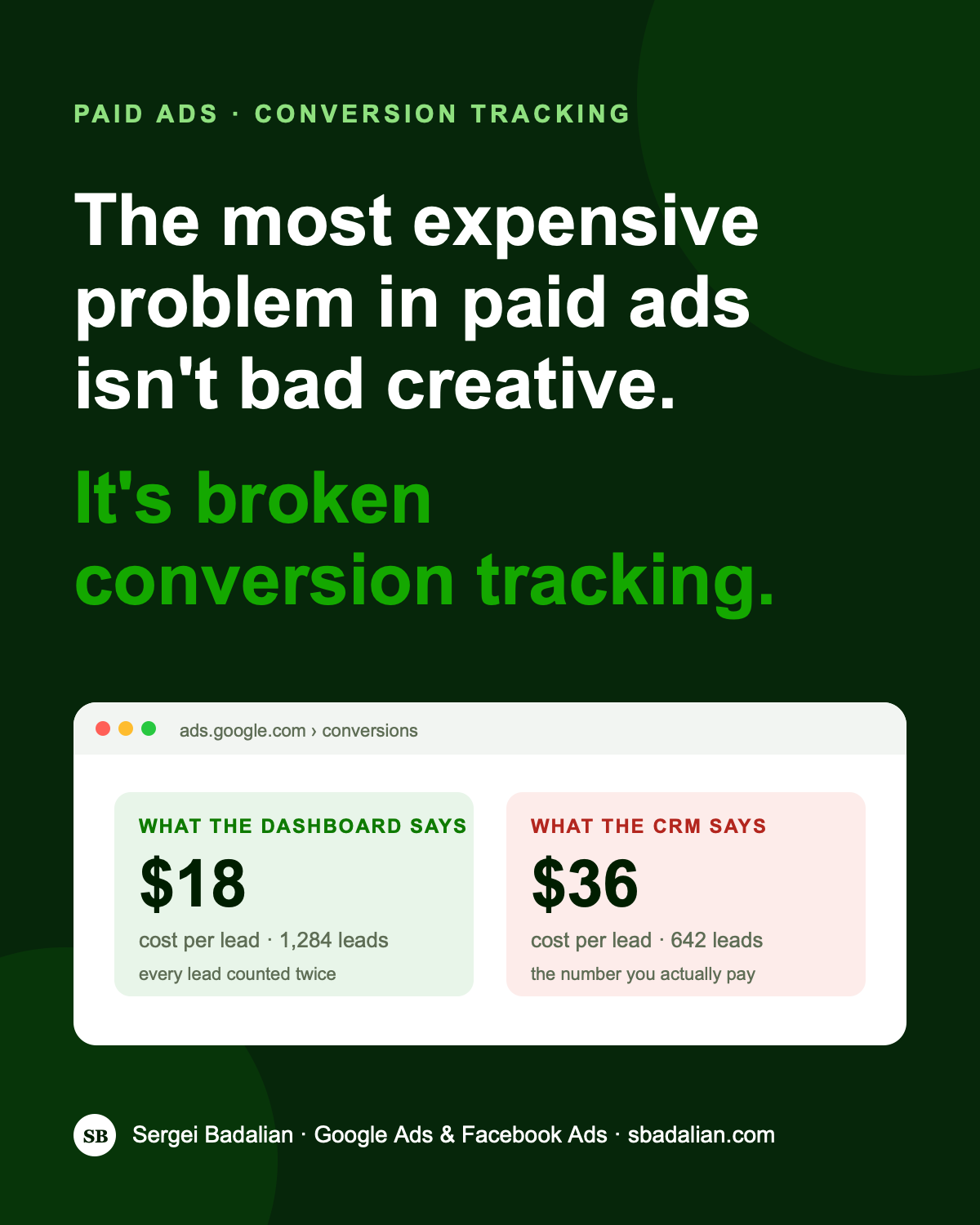
The most expensive problem in paid advertising isn't bad creative or wrong audiences. It's broken conversion tracking, and it stays invisible by design.
Here's the mechanism. Your ads optimize toward whatever you count as a conversion. Count the wrong thing, and every downstream system, from Smart Bidding to budget allocation to your own decisions, optimizes toward the wrong thing. And it does so efficiently. The dashboard looks great while the business quietly starves.
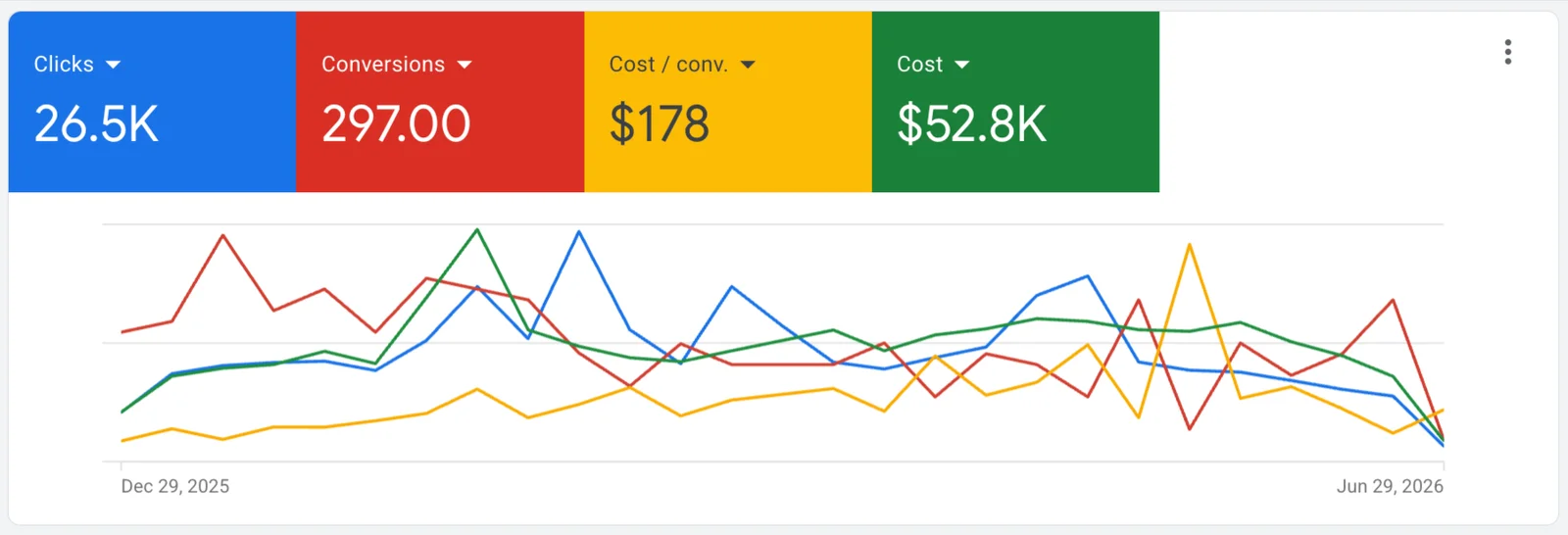
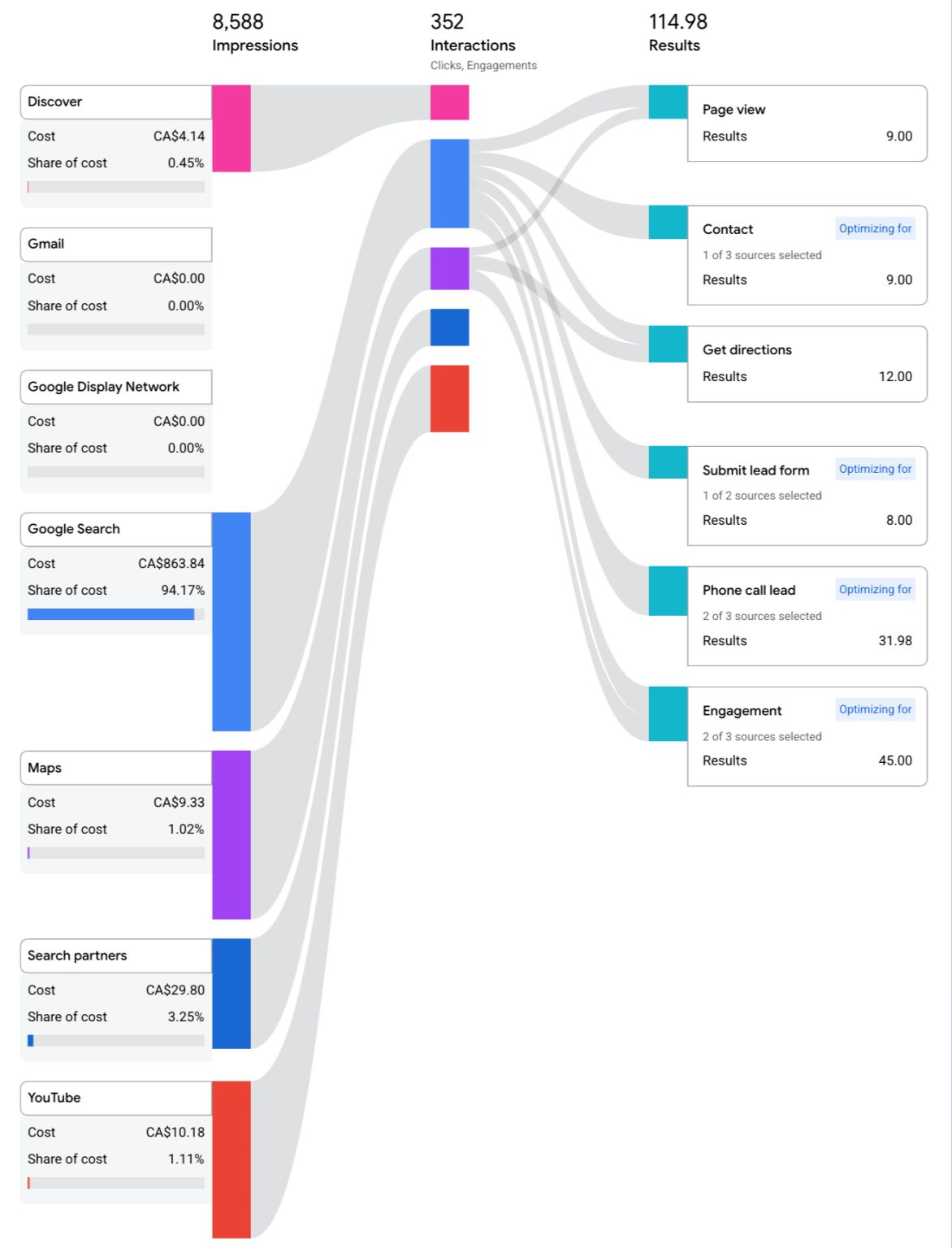
Some real patterns from accounts I've audited: conversions that were actually page views. Duplicate events counting every lead twice, which made cost per lead look half its real size. Forms firing conversion events on failed submissions. A thank-you page indexed in Google, collecting organic conversions from people who never saw an ad.
Each of these accounts had made months of budget decisions on top of the broken number.
This is why tracking verification is step one of every audit I do, before keywords, budgets, or creative. There's no point optimizing a campaign toward a number that's lying to you.
Here's an honest question to ask yourself today. When did someone last verify, not assume but verify, that your conversion count matches reality in your CRM?
If the answer is never, or you're not sure, this single check pays for itself more often than anything else I do.
Why it comes first in every audit
Google and Meta do not know what a sale is. They know what you told them to count. If that signal is a page view, the algorithm will diligently find you more people who view pages. If it is a form that fires twice, the algorithm will believe leads cost half of what they do and will happily raise bids to buy more of them. The platforms are not lying; they are doing exactly what they were asked.
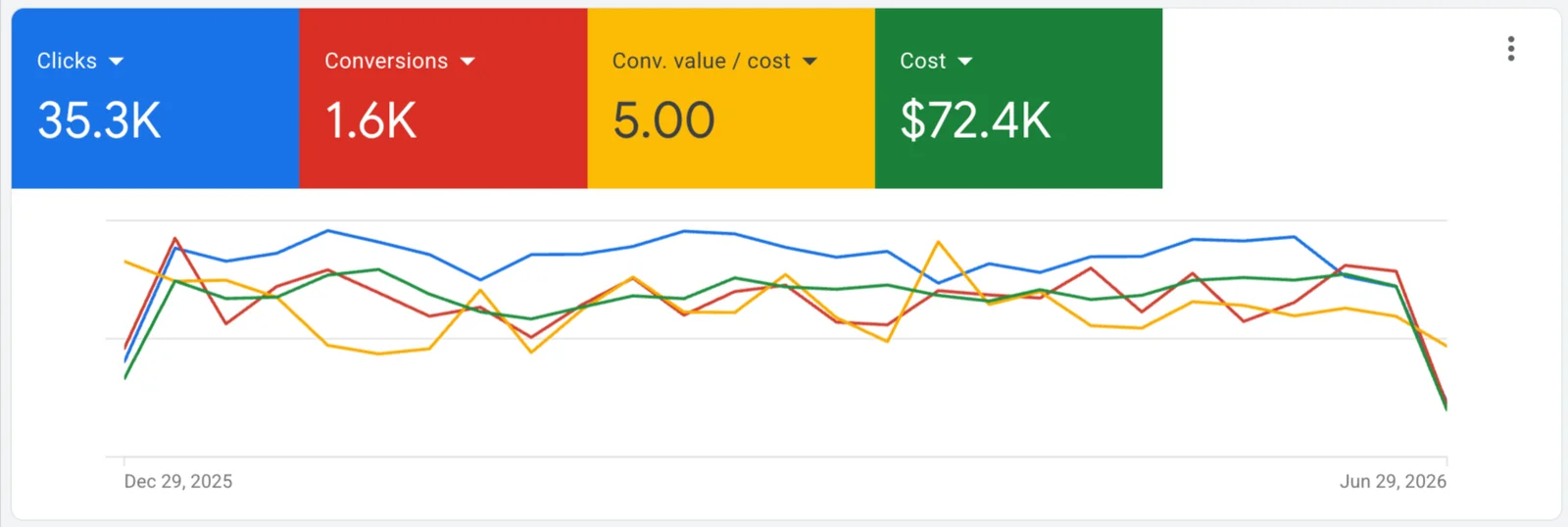
In the CPAP store account, a ROAS of 5.0 held for six months was only a real figure because every purchase and its value reached Google Ads once, correctly. In the home builder account, campaigns could only optimize toward qualified buyers because enquiries, not clicks, were the conversion.
The one check to run today
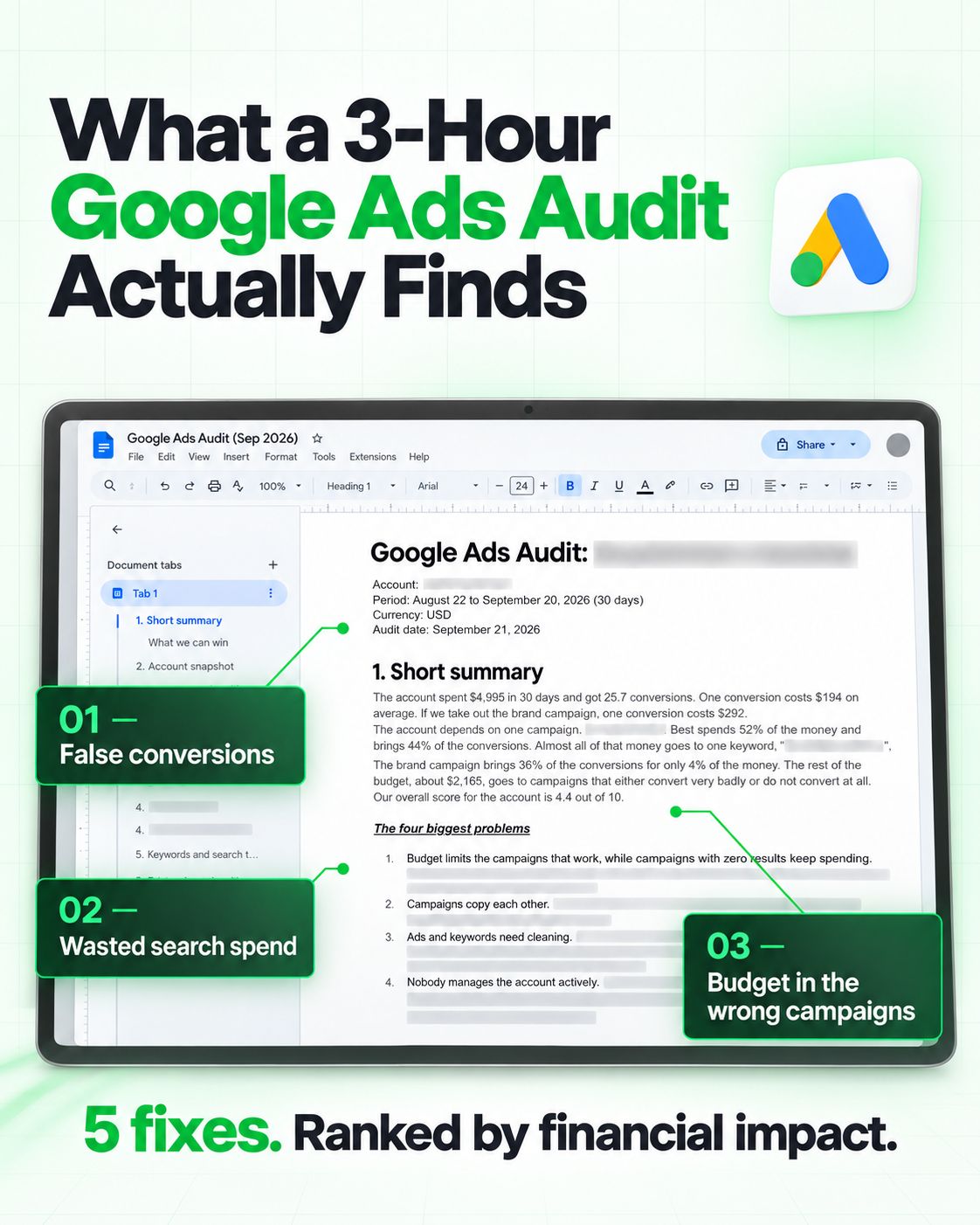
Pull last month's conversions from the ad platform and last month's leads or orders from your shop or CRM, and put them side by side. A gap of a few percent is normal attribution noise. A gap of 30, 50 or 100 percent means the account has been optimizing toward fiction, and every decision made on it deserves a second look. How I set tracking up, and what usually needs fixing, is on the conversion tracking page; the full review is the $100 audit.